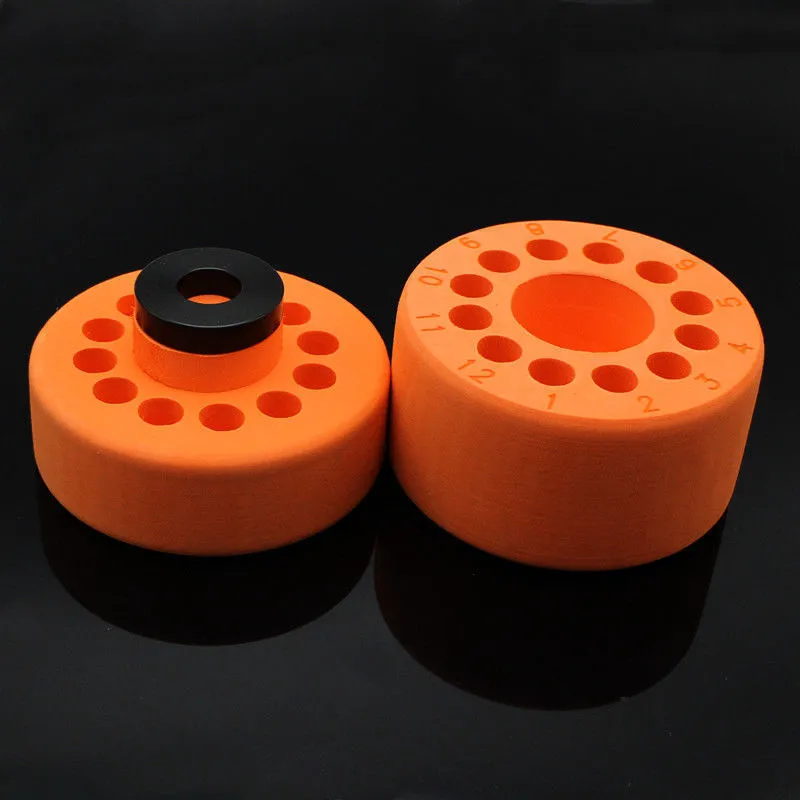
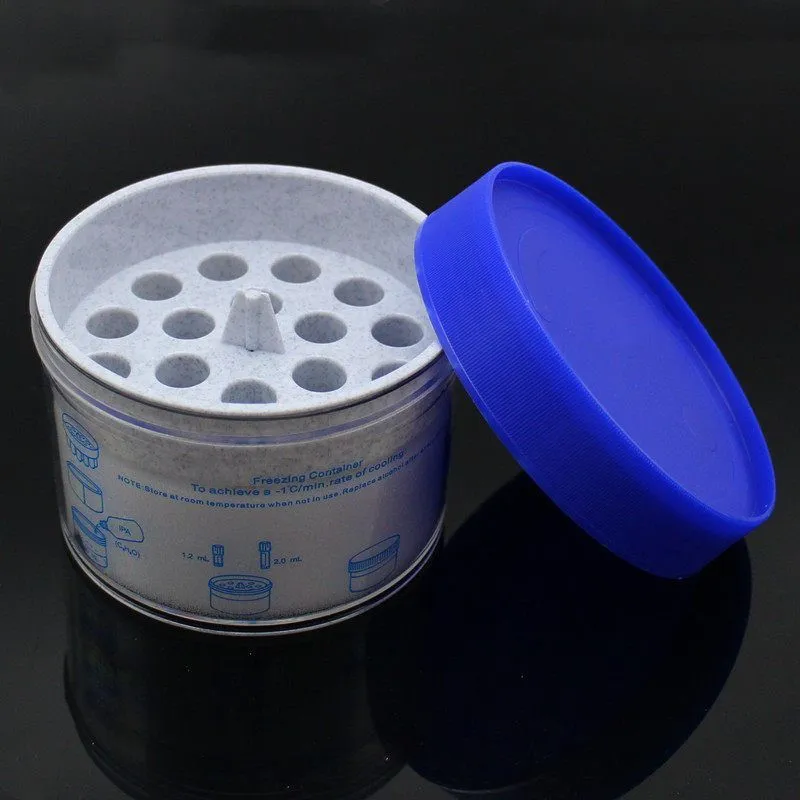
Laboratory process cooling box and gradient freezing freezer cell recovery tool with metal-plastic construction in orange and blue colours for biotechnology and cell culture applications


Laboratory process cooling box and gradient freezing freezer cell recovery tool with metal-plastic construction in orange and blue colours for biotechnology and cell culture applications
Laboratory Process Cooling Box: Gradient Freezing Recovery Tool for Cell Culture Applications
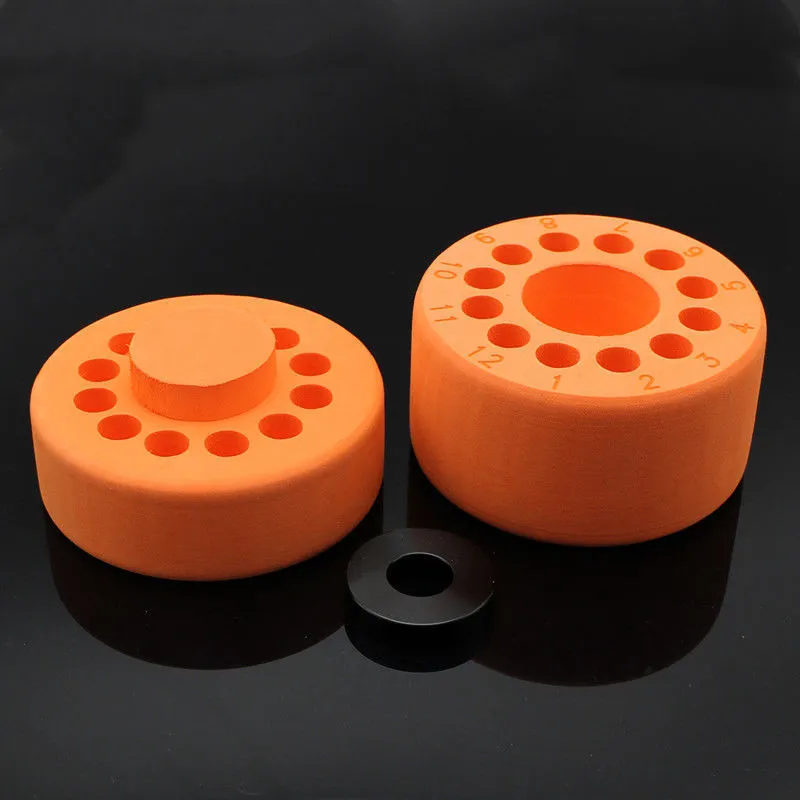
This specialised process cooling box serves as a recovery tool designed specifically for gradient freezing procedures in biotechnology and cell culture laboratories. With its metal-plastic construction and distinctive orange and blue colour scheme, it provides controlled cooling during critical sample processing stages where maintaining cellular integrity through temperature transitions is essential. The tool integrates with standard freezer cells and laboratory workflows, offering a practical solution for researchers and technicians working with temperature-sensitive biological materials without requiring complex setup or additional equipment.
Features and Construction

The process cooling box combines functional design with practical laboratory requirements through its specific material choices and construction approach. Each element serves a defined purpose within the gradient freezing recovery process, from thermal management to laboratory visibility and workflow integration.
Material and Build
Constructed using a metal-plastic combination, this cooling box features an orange metal iron block paired with a blue plastic cover. This material selection provides the thermal properties necessary for controlled cooling processes while maintaining structural integrity throughout repeated laboratory use. The metal component offers heat conduction and stability during temperature transitions, while the plastic cover provides protection and visibility within the laboratory environment. This dual-material approach balances functionality with practical handling considerations for laboratory technicians.
Size and Practical Fit
The cooling box is designed as a single-unit tool that integrates with standard laboratory freezer cells and existing equipment configurations. Its construction focuses on straightforward implementation within established biotechnology and cell culture workflows rather than requiring specialised accessories or complicated setup procedures. The tool's design prioritises compatibility with common laboratory processes where gradient freezing and controlled recovery procedures are routinely performed, ensuring researchers can incorporate it without significant workflow modification or additional training requirements.
Uses and Placement

This process cooling box addresses specific laboratory requirements in biotechnology and cell culture applications where controlled temperature management during sample processing is critical. Its design focuses on practical implementation within existing laboratory systems rather than creating new workflows, making it suitable for both research environments and routine laboratory procedures.
Event or Professional Use
In professional laboratory settings, this tool serves as a recovery instrument for gradient freezing procedures with freezer cells, providing controlled cooling during critical phases of sample preparation and preservation. Biotechnology researchers working with temperature-sensitive materials, cell culture specialists managing cellular integrity during freezing protocols, and laboratory technicians performing routine sample processing will find this cooling box integrates with their existing equipment and procedures. The tool's specific design for recovery applications makes it particularly valuable in protocols where maintaining sample viability through temperature transitions is essential to experimental success.
Everyday Home Use
While primarily designed for laboratory environments, the principles of controlled cooling and gradient freezing recovery have applications in specialised home laboratory setups, advanced amateur biotechnology projects, or educational settings where precise temperature management is required. Users working with biological samples outside professional laboratories, such as advanced hobbyists, science educators demonstrating cell preservation techniques, or small-scale biotechnology enthusiasts, might employ this tool in carefully controlled environments. However, its design and intended use remain focused on laboratory-grade applications rather than general household cooling needs.
Benefits and Buying Value
The process cooling box offers practical advantages for laboratories implementing gradient freezing and recovery procedures through its focused design and material construction. Its value lies in addressing specific technical requirements rather than providing general cooling capabilities, making it a targeted solution for particular laboratory challenges.
Reuse and Low Maintenance
Constructed from durable metal and plastic materials, this cooling box is designed for repeated use in laboratory environments without requiring complex maintenance procedures. The metal-plastic combination withstands repeated temperature cycling typical of gradient freezing recovery processes, while the simple single-unit design minimises components that might require replacement or specialised cleaning. Laboratories can integrate this tool into their standard equipment maintenance routines alongside other metal and plastic laboratory implements, without needing dedicated care protocols or frequent component replacement.
Why Choose This Product
Laboratories select this process cooling box for its specific application as a gradient freezing recovery tool rather than general cooling capabilities. Its metal-plastic construction provides the thermal properties necessary for controlled temperature transitions during cell recovery procedures, while the orange and blue colour scheme offers immediate visual identification in busy laboratory environments. The tool's design as a single integrated unit simplifies implementation compared to multi-component systems, and its compatibility with standard freezer cells allows integration without modifying existing equipment. For laboratories requiring targeted solutions for gradient freezing recovery rather than general cooling equipment, this tool addresses specific technical requirements with practical, straightforward implementation.