
FPV drone receiver with ELRS 915MHz/2.4GHz dual-frequency receiving for long-range control, featuring GAPP dual-frequency technology and supplied with T-shaped antennas, heat shrink tubing, and silicone connecting wires for RC drone and quadcopter setups.


FPV drone receiver with ELRS 915MHz/2.4GHz dual-frequency receiving for long-range control, featuring GAPP dual-frequency technology and supplied with T-shaped antennas, heat shrink tubing, and silicone connecting wires for RC drone and quadcopter setups.
ELRS 915MHz and 2.4GHz Dual-Frequency FPV Receiver for Long-Range Drone Control
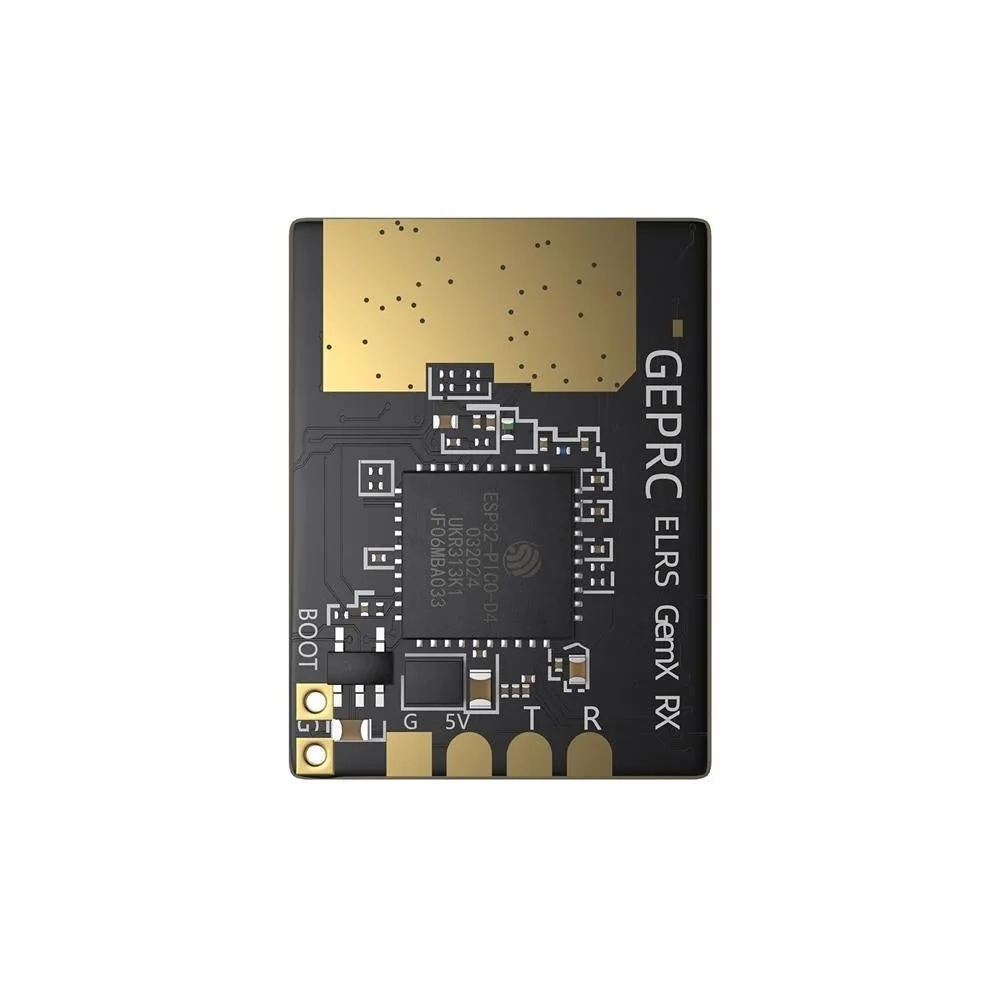
This FPV crossing machine receiver is built around dual-frequency ELRS (ExpressLRS) technology, operating on both 915MHz and 2.4GHz bands to provide pilots with robust, long-range control for their drones and RC models. The GAPP dual-frequency receiving base plant design ensures compatibility with a wide range of transmitters, making it a versatile core component for custom FPV builds, racing quadcopters, and aerial photography platforms where signal integrity is paramount. Supplied as a complete installation kit, it removes the need to source additional accessories, allowing for a straightforward upgrade or new build.
Features and Construction

The receiver's primary feature is its simultaneous dual-band operation, which can offer redundancy and improved signal penetration in different environments. The metal construction provides a durable, shielded enclosure for the sensitive electronics, contributing to the unit's overall robustness in the demanding conditions of RC flight.
Material and Build
The receiver unit is constructed using metal, which serves as a solid chassis and may provide some shielding against electromagnetic interference, a common consideration in densely packed drone electronics bays. This material choice gives the component a substantive feel and helps protect the internal circuitry during handling and installation. The build is designed to be integrated into a wider system, with the supplied connecting wires facilitating this process.
Size and Practical Fit
With a total size noted as under 30cm, this receiver system, including its antennas, is compact enough to be fitted into most medium and large drone frames. The dimensions consider the necessary layout for the two T-shaped antennas, which require some separation for optimal diversity reception. This size makes it suitable for 5-inch and larger racing quadcopters, as well as fixed-wing FPV platforms where space is less constrained.
Uses and Placement
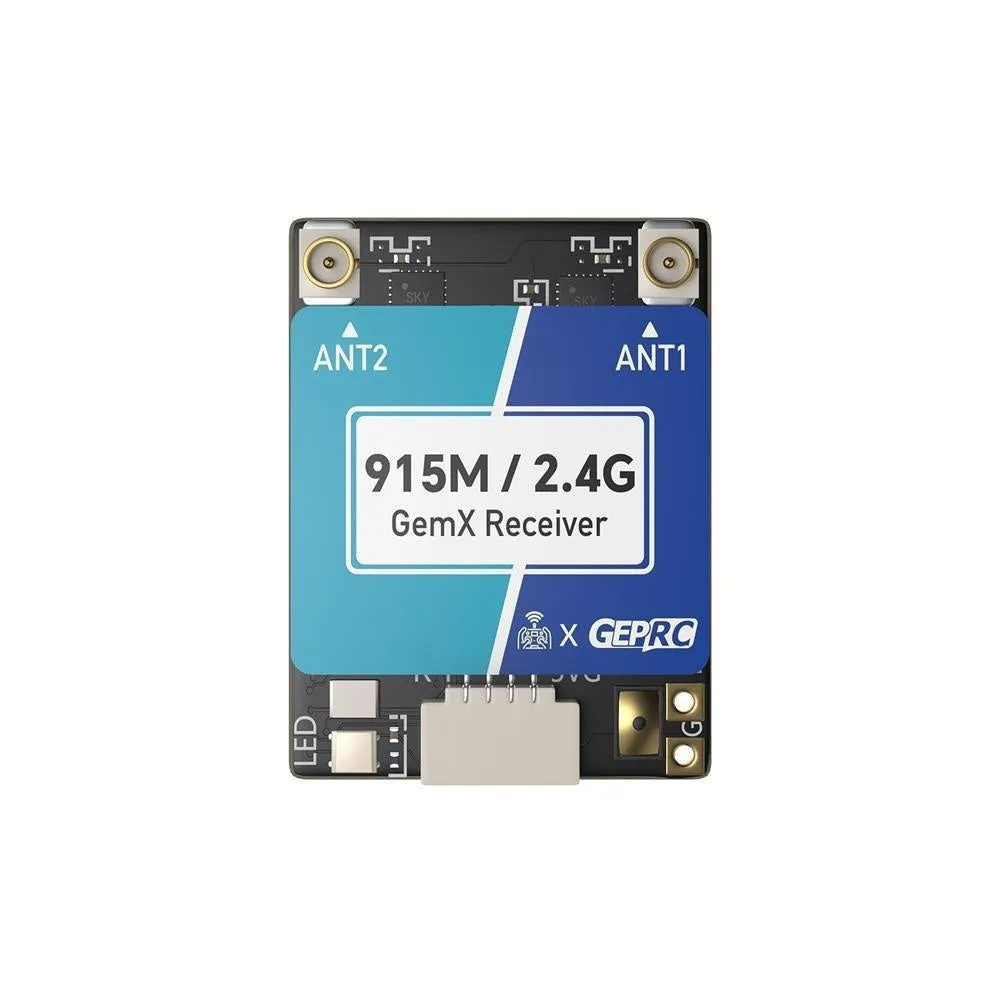
Designed for FPV (First-Person View) drone applications, this receiver is a control link component, translating pilot commands from the transmitter to the flight controller. Its dual-frequency capability makes it particularly relevant for pilots flying in areas with potential signal congestion or for those seeking the maximum possible control range.
Event or Professional Use
For competitive FPV racing or freestyle events, reliable control is non-negotiable. The dual-band operation can provide a safety net, potentially allowing the system to maintain a link if one frequency encounters interference. For professional aerial videography or surveying drones, the extended range facilitated by ELRS protocol on both bands supports flying at greater distances from the pilot while maintaining a command link.
Everyday Home Use
For hobbyists building or upgrading their FPV drones at home, this kit simplifies the process. Having all necessary components—receiver, two antennas, connection wire, and installation tubing—in one package means fewer separate orders and compatibility checks. The included user manual guides the installation, making it accessible for intermediate builders familiar with basic soldering and drone assembly.
Benefits and Buying Value
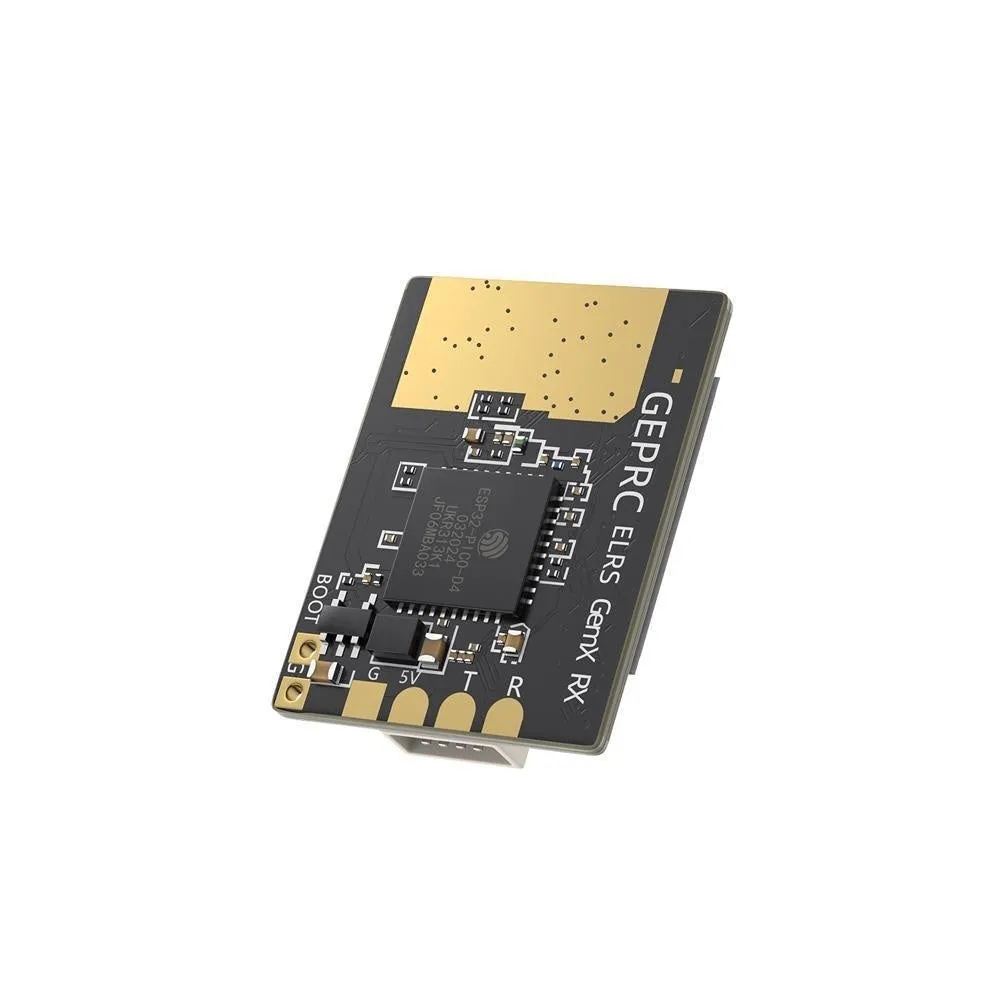
The value of this product lies in its completeness and the practical advantages of dual-frequency ELRS technology. It serves as a direct replacement or upgrade for existing receiver systems, aiming to improve control reliability and range.
Reuse and Low Maintenance
The metal-bodied receiver is a durable component that, once installed, should require minimal maintenance beyond ensuring antenna connections remain secure. The design is focused on reliable operation over time. The use of standard silicone wire and common heat shrink tubing means that if any part of the wiring harness needs replacement in the future, it can be done with readily available hobbyist materials.
Why Choose This Product
This receiver kit is chosen for its specific feature set: dual-band ELRS operation in a single unit. It is for pilots who want the potential benefits of frequency redundancy without managing two separate receivers. The inclusion of both 915MHz and 2.4GHz antennas in the package is a key differentiator, as many receivers require antennas to be purchased separately. It provides a consolidated solution for enhancing your model's control link.
